Rodents
Rodent control for Georgetown homes and businesses
Keeping your home or business safe from unsanitary rodents, and away from the repair bill that follows them.
Chapter 01
Rats, mice, squirrels and the six others that get in
King's handles rats, mice, squirrels, chipmunks, gophers, prairie dogs, beavers and porcupines. It is a longer list than most people expect, and the reason is that central Texas properties back onto creeks, greenbelts and open land far more often than suburban properties elsewhere.
Each of those animals gets in a different way and wants a different thing once it is inside, so the treatment is not one bait station repeated eight ways. A squirrel in a soffit and a gopher under a lawn are not the same job.
King's has been doing this work since 1982, which in practice means the technician has already seen how the houses in your part of Georgetown tend to fail.
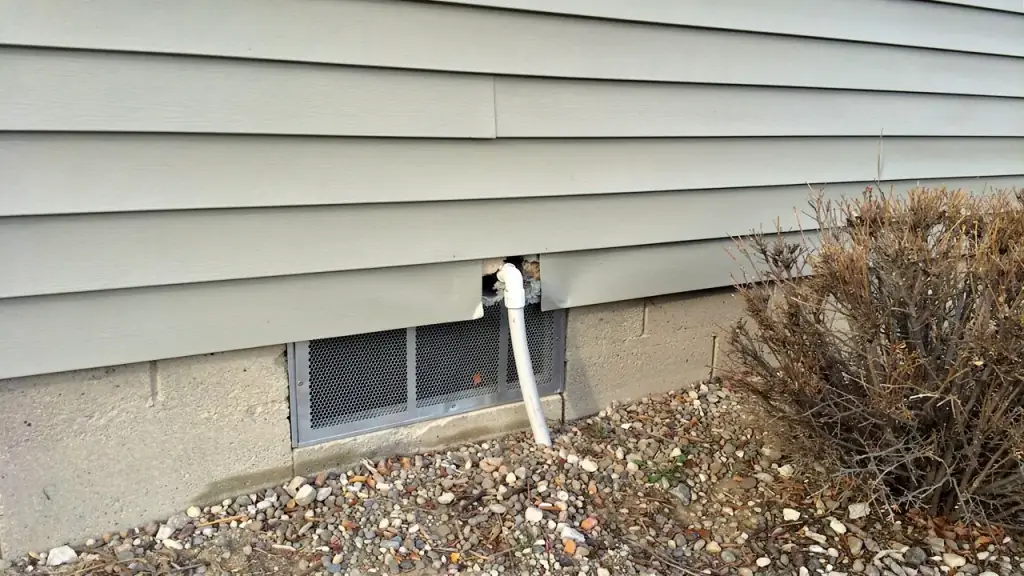
The base of a residential exterior wall showing a gap around a utility penetration and a ground level vent screen
The damage bill that arrives after the noise
People usually call about the sound. The reason to act on it quickly is everything else. Rodents cause costly repairs and renovations through the damage they do, and they bring genuine health hazards into a building at the same time.
Chewed wiring, contaminated insulation, damaged ductwork and soiled storage are all significantly more expensive than the treatment that would have prevented them. Preventing that damage is the actual point of the service.
For a business the calculation is sharper still, because a rodent problem in a commercial property is not only a repair issue.
Chapter 03
Williamson and Travis County service
Rodent work runs across both Williamson and Travis Counties from the Georgetown office, so properties outside the immediate town are still on the route rather than being turned away.
Customers with rental properties use this a lot, because a rodent problem at a rental is usually reported second hand and needs someone who will go, look properly, and report back accurately.
What happens on the visit
The technician works out how the animals are getting in before deciding what to put down, because a treatment that ignores the entry point is a treatment you will be repeating. That means looking at the base of exterior walls, utility penetrations, vents at ground level, the roofline and the attic.
Then the infestation itself gets dealt with, and you get told plainly which gaps need closing and whether that is something you can do yourself. There is no long term contract on any of it.
King's — Licensed by the Texas Department of Agriculture, TPCL 0785026. Call (512) 930-7378.