Mosquitoes in a Texas back yard: the water you can tip out this weekend
Most of a mosquito's day is spent sitting still somewhere cool. That is the part worth treating.
September 17, 2026 · 3 min read
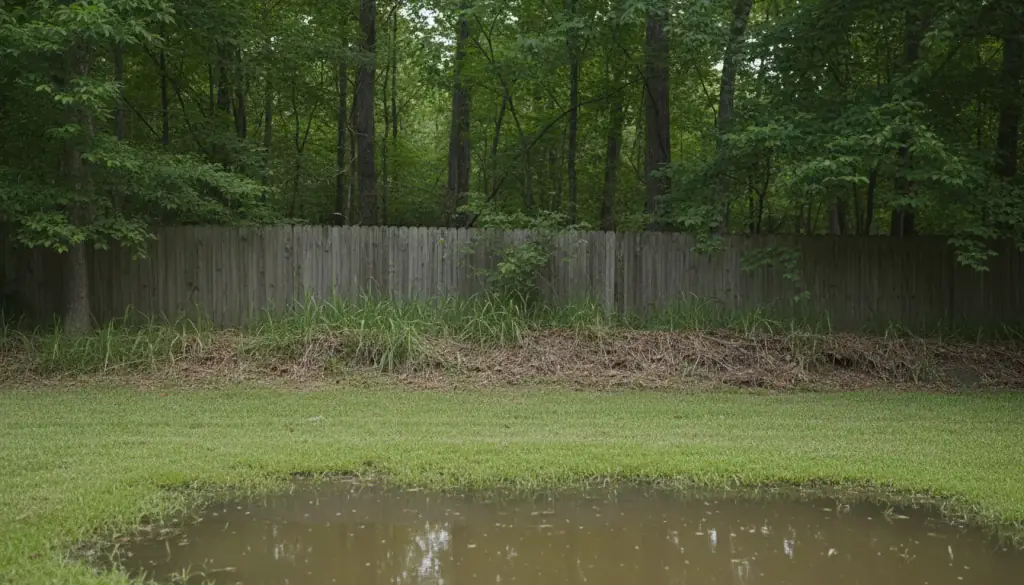
Mosquitoes do not only bite you, they can also spread disease, and in a central Texas summer they can take a back garden away from a family entirely. The good news is that mosquito control responds well to a combination of one professional treatment and about forty minutes of unglamorous work with a wheelbarrow.
They are not flying around all day
The common mental picture is of mosquitoes hovering in the open air waiting for someone to walk past. They do not. Mosquitoes spend most of the day resting somewhere cool, shaded and humid, and emerge to feed. That single fact is what separates treatment that works from treatment that does not.
Fogging open air kills what is flying at that moment and very little else. Treating the surfaces they rest on keeps working after the technician has driven away. King's applies a commercial grade mist to plants, shrubs, landscaping and shaded areas for exactly that reason.
Where they rest on a Georgetown property
- The shaded side of the house, especially where it stays damp
- Dense planting and the undersides of leaves in beds
- Along fence lines, particularly where longer grass or leaf litter has banked up
- Under decks and low structures
- Any part of the garden that does not get direct sun for most of the day
Where they breed, and what you can remove for free
Breeding needs standing water, and it needs far less of it than people expect. A container holding water for a week or so can produce mosquitoes. This is the part a homeowner can genuinely fix without anybody's help.
- Plant pot saucers, which are the most common single culprit
- Children's toys, buckets, wheelbarrows and anything left upright in the rain
- Blocked gutters, and the low spot at the end of a downpipe
- Tarpaulins and covers on furniture or equipment that collect a pool in the middle
- Pet water bowls and bird baths that are topped up rather than emptied and refilled
- Low spots in the lawn that hold water for days after a storm
Tipping those out, and getting into the habit of refreshing rather than topping up, removes breeding sites permanently rather than killing one generation. It also makes the professional treatment last noticeably longer, because there is less local production to replace what was treated.
Why the schedule is every two weeks
The first treatment deals with the infestation you currently have. After that, preventative treatment runs every two weeks.
That interval is not arbitrary. It tracks how quickly a new generation can mature and how quickly mosquitoes can move in from neighbouring properties, which is the bit you cannot control. A fortnightly return keeps the yard from being quietly recolonised in the gap. Stretch the interval and the pressure rebuilds; that is the whole reason the cadence exists.
Through a Texas summer, that is the practical difference between a garden you sit in and one you look at through the window.
It pairs with the lawn, not the house
Mosquito work sits naturally alongside lawn pest treatments, because both are about the ground and the planting rather than the inside of the building. Ants, fleas, ticks and chiggers live in the turf and the shaded edges, in much the same places mosquitoes rest.
Plenty of Georgetown customers run general pest control quarterly for the house and mosquito treatment fortnightly through the warm months, then stop when the weather does. There is no long term contract, so a seasonal schedule is a normal thing to ask for rather than an exception.
How to describe it when you call
The fastest way to explain a mosquito problem is to say which parts of the yard you have stopped using and at what time of day. That tells a technician more than a count ever would. Call the office at 603 River Bend Dr on (512) 930-7378, Monday to Friday, 8:00 AM to 5:00 PM.
The technician will walk the property before treating and tell you what they found, including the things you can fix yourself in an afternoon for nothing.
King's Pest Control, (512) 930-7378
Call (512) 930-7378More articles
Why scorpions turn up indoors in Georgetown, and what keeps them out
They are not coming in for food. They are coming in because the outside stopped suiting them, and your house did.
Why fire ant mounds keep coming back in a Williamson County yard
If new mounds appear two weeks after you treated the old ones, the colony did not die. It moved.